Corner Marshal Certification
0%
Speed Ventures Training

Corner Marshal Certification

Complete all sections and pass the final exam to receive your certification. You must score 80% or higher on the final quiz.

Training Sections

1
The Flags
2
Communications
3
Emergency Procedures
4
Event Equipment
5
Heat Illness
6
Final Exam
Yellow, White & Surface Conditions Flags
Yellow Flag
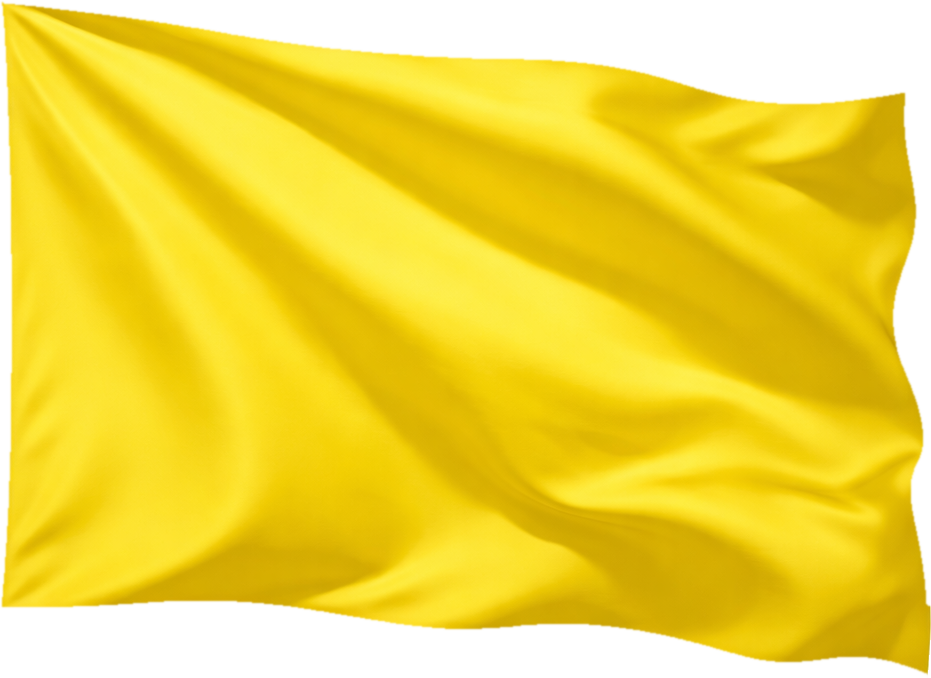
YELLOW FLAG — Solid Yellow
Standing Yellow (held motionless)
Display standing when there is a hazard or incident in your zone but the surface may still be passable. Hold it clearly visible to all approaching cars. Drivers must slow to 70% — no passing is permitted until past the next station showing a clear flag. Standing Yellow is also displayed full course at the start of every session as a reminder to drivers where stations are and that there is no passing on the outlap.
Waved Yellow (waving vigorously)
Wave when there is great danger in your zone — the surface may be partially or completely blocked. No passing permitted. Upgrade from standing to waved if the situation worsens.
White Flag
WHITE FLAG — Solid White
Display standing (held motionless) when a slow-moving vehicle — a race car, ambulance, tow vehicle, or other emergency vehicle — is present on or entering the racing surface in or near your zone.
Surface Conditions Flag
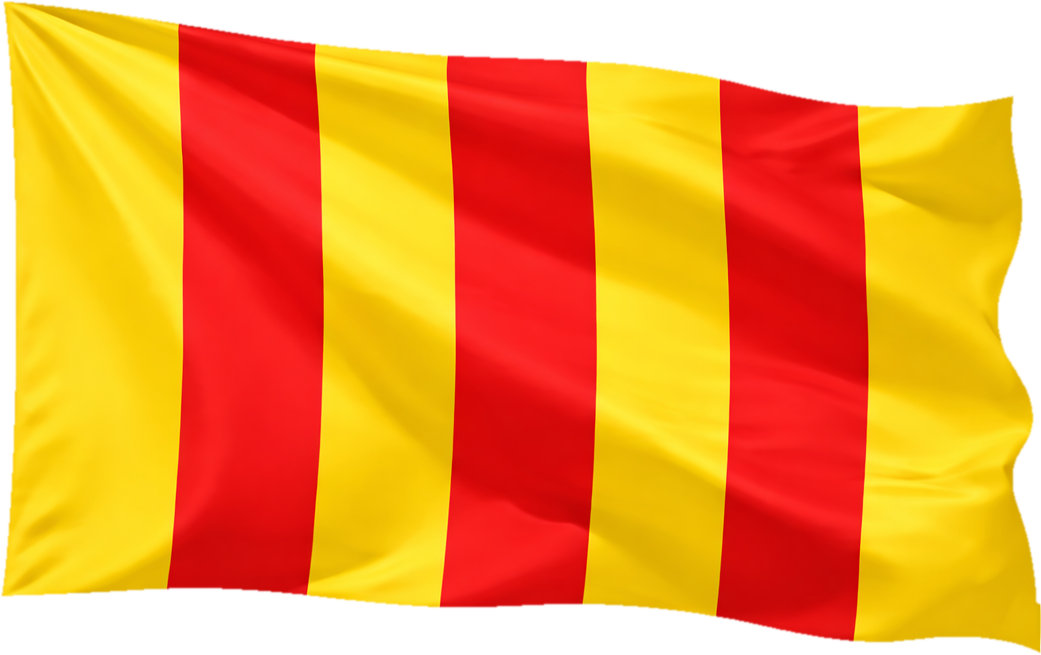
SURFACE CONDITIONS FLAG — Yellow with Vertical Red Stripes
Display when there is a slippery condition, spilled fluid, or debris on the racing surface in your zone. Warn approaching cars of a compromised surface.
⚠️ This flag is ALWAYS displayed standing — it is NEVER waved under any circumstances.
Double Caution, Black & Mechanical Flags
Yellow/White Double Caution Flag
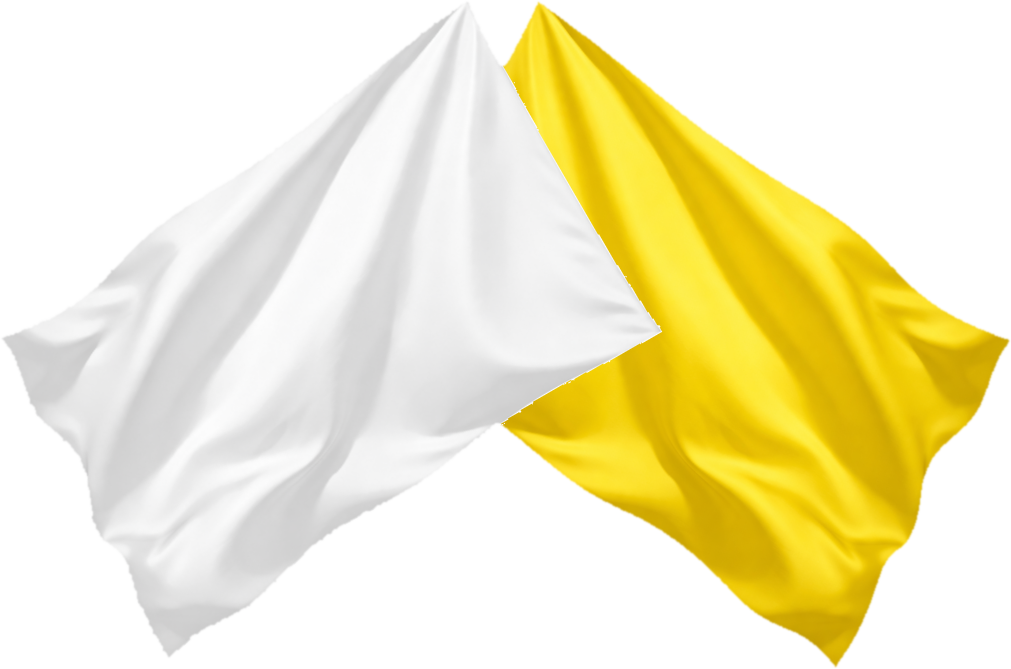
YELLOW/WHITE FLAG — Double Caution
Display when a disabled vehicle is being attended to or towed and the safety crew is actively working on track in your zone with no barrier protection. This is the most critical flag for crew safety.
What Drivers Must Do
Reduce to approximately 40% of race pace and pass the safety crew with a minimum 50-foot berth. Speed may only resume after fully clearing the crew. The safety crew has NO protection — enforce this zone strictly.
Black Flag
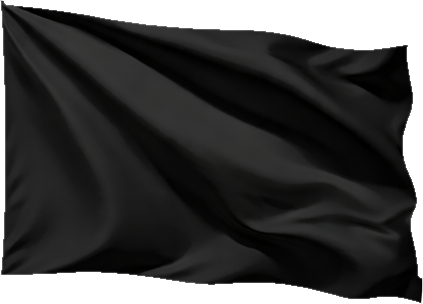
BLACK FLAG — Solid Black (Race Control direction only)
Open Black — directed at one car
Display when Race Control calls a specific car to pits. Hold it open and visible until that car passes your station and proceeds to the Black Flag Station.
Closed / Furled Black — identifying a car
Point or shake the furled flag directly at a specific car to identify which car is being called when multiple cars are in your zone simultaneously.
Open Black at ALL Stations — session stopped
When Race Control calls Black Flag All, every station displays the open black flag. All cars must immediately stop racing and proceed to pits with caution.
Mechanical (Meatball) Flag
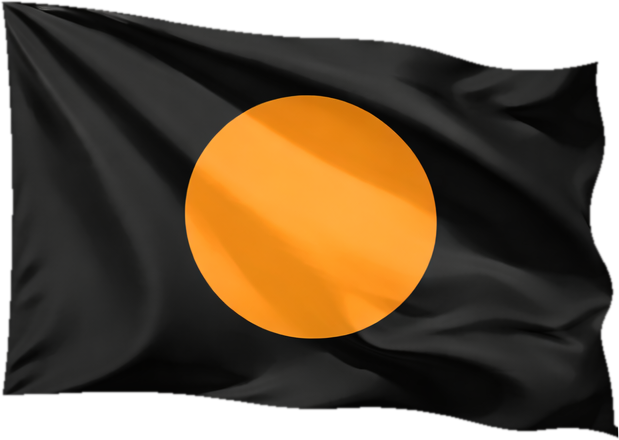
MECHANICAL FLAG — Black with Orange Ball ("Meatball")
A specialty black flag directed at a specific car when Race Control has identified a mechanical problem. Point the flag directly at the car in question — not at traffic generally.
What the Driver Must Do
The driver must move off the racing line and proceed directly to the Black Flag Station in the hot pit for inspection. Race Control direction only — corner stations never initiate this flag independently.
Red, Passing, Green & Checkered Flags
Red Flag
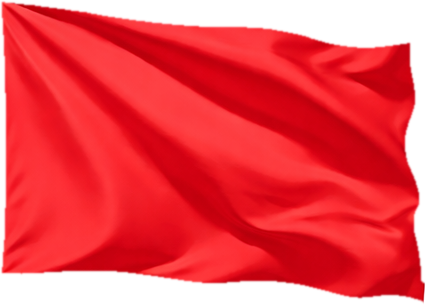
RED FLAG — Solid Red (Race Control direction only)
Wave vigorously when directed by Race Control. The session has been stopped due to emergency. All cars must come to an immediate, controlled stop at the side of the track within sight of a staffed station.
⚠️ NEVER display the Red Flag without a direct order from Race Control. Once displayed, do not withdraw it until Race Control instructs — typically when the flag is switched to Black.
Passing Flag
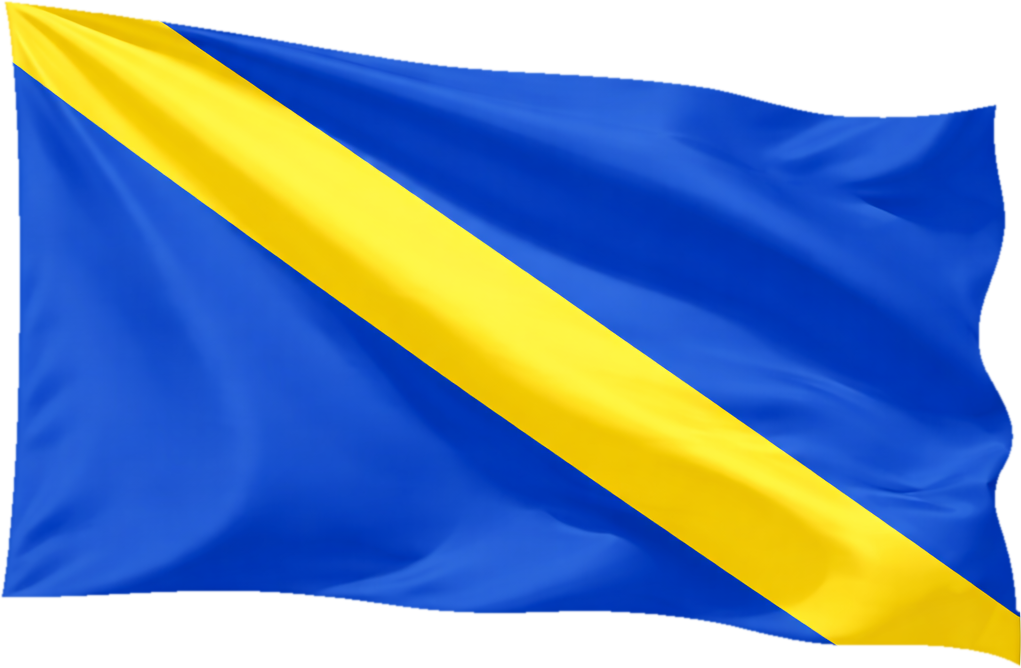
PASSING FLAG — Blue with Yellow Stripe
Display to cars that are holding up traffic and not allowing others to pass — trains of cars specifically. This flag should be used early and often, in all groups, without the need for direction from Race Control.
Green Flag
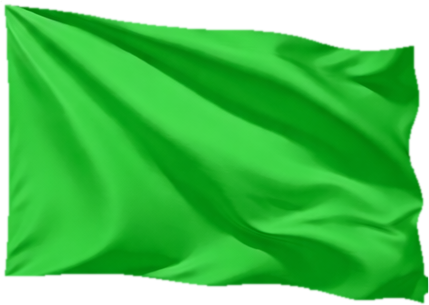
GREEN FLAG — Solid Green
Displayed at Start/Finish only, when directed by Race Control, to signal that the session has officially started or has restarted following a caution period. Corner stations do not display the green flag.
Checkered Flag
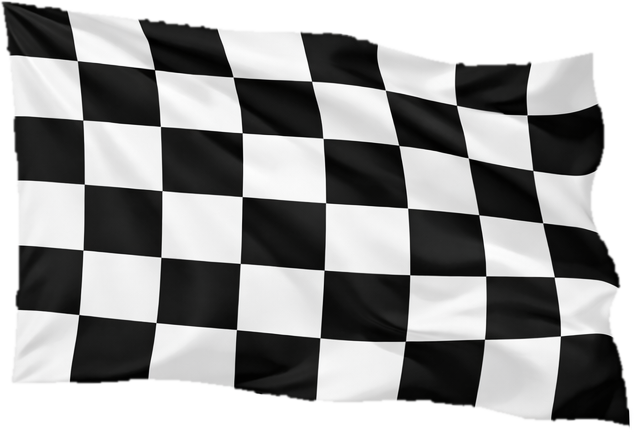
CHECKERED FLAG — Black and White Checks
Waved at the Finish line and backup station when directed by Race Control to signal that the session has ended. Corner stations remain on post and continue monitoring until all cars have cleared the track.
Section Quiz
Flags — Knowledge Check
Answer all 5 questions correctly to continue. You can change wrong answers.
Question 1 of 5
A car has gone off in your zone and there is an incident — the surface may be materially blocked. How do you display the yellow flag?
A
Standing (held motionless) — hazard is present but the surface may still be passable
B
Waved vigorously — higher urgency, the surface may be partially or fully blocked
C
Do not display yet — call Race Control first and wait for their instruction
Question 2 of 5
You spot oil (or see cars sliding) or debris on the racing surface in your zone. Which flag do you display, and what is the strict rule about how it must always be held?
A
Yellow flag — wave vigorously to warn drivers of the surface hazard
B
White flag — held motionless, a slow-moving hazard vehicle is present
C
Surface Conditions Flag (yellow with red stripes) — always displayed standing, never waved
Question 3 of 5
Race Control orders a Red Flag. What do you do?
A
Wave it vigorously — the session has been stopped, all cars must come to an immediate controlled stop
B
Hold it standing (motionless) at your station until all cars have passed
C
Display it only if you personally observe a car that needs to stop in your zone
Question 4 of 5
A disabled vehicle is being towed through your zone and the safety crew are exposed on track with no barrier protection. Which flag do you display?
A
Standing yellow — there is a hazard in your zone
B
Yellow/White Double Caution — crew is exposed on track, drivers must slow to ~40% and give a 50-foot berth
C
White flag — a slow-moving vehicle is on the racing surface
Question 5 of 5
Race Control directs you to show the Mechanical (Meatball) flag to a specific car. How do you display it and what does it tell the driver?
A
Wave it at all cars passing your station to warn of a hazard ahead
B
Hold it standing until the car pits at the end of the session on their own schedule
C
Display and then point it directly at that specific car — they have a mechanical issue and must move off-line and report to the Black Flag Station immediately
Radio Basics & Protocols

How the Radio Network Works

Only one radio can transmit at a time. If two radios key simultaneously, either only one is heard, or they cancel each other out and nothing is heard. This is why communication protocols are essential.

Starting a Call

Always identify yourself and who the message is directed to before your message, and state the flag condition.

Example Call
Station 5: "Control this is Station 5, Standing Yellow"
Race Control: "Go ahead 5"
Morning Check-In

One of the first tasks each morning is testing communications. All radio users should check in with Race Control at their first opportunity to confirm their gear is working and to confirm what channel you will be on.

Important Rule

Once a conversation is established, no other station should interrupt or talk over until the exchange has ended. The only exception is an "emergency" or "alert" situation.

What to Report & How

Corner Stations Are the Eyes of Race Control

What you report can determine the outcome of a race or incident. Be concise and as accurate as possible. You are on a party line — anyone with a scanner can hear you. Stay calm and speak in a normal voice.

Things to Report

  • Cars going off the track surface for any reason
  • Spins
  • Car to car contact
  • Crashes and emergencies
  • Fire
  • Change in course condition (rain, oil, debris)
  • Disabled cars
  • Situations needing medical assistance
  • Passing under a yellow flag
Calling Cars and Numbers

Always call car numbers as separate digits followed by the car's color. Say "seven three grey" not "seventy-three grey" — it's much easier to understand in a noisy environment.

Sample Radio Calls
Spin & Recovery
Station 5: "Control this is Five, Stationary Yellow"
Race Control: "Go ahead Five"
Station 5: "We had 2-3 black spin center of track, go off driver's right and has safely reentered."
Car-to-Car Contact
Station 9: "Control, this is Nine, Stationary Yellow"
Race Control: "Go ahead Nine"
Station 9: "We had side to side contact; car 1-6 white into car 7-2 blue. 7-2 off driver's right, not moving."
Disabled Car in Impact Zone
Station 1: "Control this is One, Stationary Yellow."
Control: "Go ahead, One."
Station 1: "We have car 6 stuck in the gravel trap driver's right, very close to an impact zone."
Control: "Black Flag All, we will send out Rescue."
Keep Calls Short

Avoid serial calls about a single incident. Wait until the situation is resolved, then report it all at once. The longer you talk, the longer before anyone else can transmit.

Section Quiz
Communications — Knowledge Check
Answer all 3 questions correctly to continue. You can change wrong answers.
Question 1 of 3
When beginning a radio call, what information do you give first?
A
The full details of the incident
B
Your station number, who you're calling, and the current flag condition
C
The car number involved in the incident
Question 2 of 3
How should car numbers be called over the radio?
A
As a full number — e.g. "seventy-three"
B
As separate digits — e.g. "seven three"
C
Only the last digit to keep things short
Question 3 of 3
When is it acceptable to interrupt an ongoing radio conversation between stations?
A
Whenever you have relevant information to add
B
Only in the case of an alert
C
When Race Control hasn't responded within 5 seconds
When to Declare an Emergency
Critical Rule

Once a station declares an emergency on the radio network, ALL other stations must hold their calls unless there is another Alert at a different station.

Incidents That Are Automatic Emergency Calls

  • A hard impact with a stationary object (guard rail, embankment, tire wall, another car)
  • Rollover of a vehicle
  • Fire
  • Any situation requiring urgent medical response

Who Decides?

Race Control should normally decide if an emergency call is needed. The only exceptions are fire and rollover — these are automatic emergency calls without waiting for Race Control direction.

Important Note

An alert call does NOT automatically dispatch assistance. It clears the radio net, gets Race Control's attention, and alerts Emergency Services to stand ready. Race Control must then request the fire truck, ambulance, or other response.

How to Call an Alert
Correct Emergency Call Format
Station 6: "Alert, Alert, at Station 6" [then wait for acknowledgment]
Race Control: "Control to all stations — Alert at station six, hold your calls. Go ahead six."
Station 6: [Describe situation, car number and color if known, assistance needed]

After the Alert

All other stations remain silent until the emergency is downgraded. Brief call-bys for emergency vehicles on track are permitted.

Once Emergency Services arrives at the incident, they are in charge. Race Control may downgrade the emergency — let Control know as soon as possible to free the radio net.

Flags During Emergencies

The location of the incident — not its perceived severity — determines the flag display. A rollover that lands off-course still only warrants a standing yellow at that station. Flags will change as the incident evolves and emergency vehicles arrive.

Section Quiz
Emergency Procedures — Knowledge Check
Answer all 3 questions correctly to continue. You can change wrong answers.
Question 1 of 3
Which two incident types are ALWAYS automatic emergency calls — no Race Control direction needed?
A
Car-to-car contact and a spin on track
B
Fire and vehicle rollover
C
A disabled car and a driver out of the vehicle
Question 2 of 3
What does calling an Alert actually do?
A
Automatically dispatches an ambulance and fire truck to the scene
B
Clears the radio net, alerts Race Control, and puts Emergency Services on standby — but Race Control must still request specific vehicles
C
Stops the session and requires all cars to return to pits immediately
Question 3 of 3
A car rolls over but lands safely off the track surface. What flag do you display?
A
Red flag — the session must be stopped
B
No flag needed — the car is off course
C
Standing yellow — it's the location, not severity, that determines the flag
Marshal Gear Requirements

Must Have ✓

  • White clothes (or neutral — tan/grey)
  • Sunscreen
  • Closed-toe shoes
  • Radio

Nice to Have

  • Hat
  • Sunglasses
  • Water / sport drink
  • Snacks
  • Pack or bag
  • Ear protection (plugs or muffs)

Never Wear — Avoid

  • Red, yellow, or black outer clothing or rain gear (these are flag colors — confusion risk)
  • Synthetic fabrics (nylon, rayon) — they melt into skin when exposed to fire or extreme heat
Why No Synthetic Clothing?

Materials like nylon and rayon can rapidly melt into the skin when exposed to fire, excessive heat, or brief contact with very hot car parts. This can cause severe burns. Natural fibers are significantly safer in a racing environment.

Section Quiz
Equipment — Knowledge Check
Answer all 3 questions correctly to continue. You can change wrong answers.
Question 1 of 3
What color clothing should marshals NEVER wear?
A
Red, yellow, or black outer clothing
B
Blue or green clothing
C
Grey or tan clothing
Question 2 of 3
Why should marshals avoid synthetic fabrics like nylon and rayon?
A
They are too expensive and not practical for outdoor work
B
They can melt into the skin when exposed to fire, extreme heat, or hot car parts
C
They are too bright and can distract drivers
Question 3 of 3
Which of the following is listed as a REQUIRED item — not just "nice to have"?
A
Radio
B
Ear protection (earplugs or sound-deadening earmuffs)
C
Sunglasses
Prevention, Recognition & Response

Avoidance — Stay Ahead of It

Heat-related illness is preventable if you stay ahead of it. The most important factors are hydration and awareness.

  • Drink water regularly — don't wait until you feel thirsty
  • Wear light-colored, breathable clothing and use sun protection
  • Eat normally; electrolytes matter if you're sweating heavily

Early Warning Signs — Act Immediately

  • Excessive sweating or, later, very little sweating
  • Dizziness or lightheadedness
  • Headache
  • Nausea or vomiting
  • Muscle cramps
  • Confusion or unusual behavior
Emergency Signs — Call for Help Immediately

Altered mental state (confusion, disorientation) · Fainting · Hot, dry skin or very high body temperature

What To Do

If you or anyone around you shows early warning or emergency signs, bring it to the attention of Race Control immediately and wait for further instruction. Heat stroke can escalate quickly — early action is what prevents serious outcomes.

Section Quiz
Heat Illness — Knowledge Check
Answer all 3 questions correctly to continue. You can change wrong answers.
Question 1 of 3
What is the single most important principle of heat illness prevention?
A
Wait until you feel thirsty before drinking water — thirst is your body's accurate signal
B
Drink water regularly throughout your shift — don't wait until you feel thirsty
C
Avoid eating during your shift to reduce internal heat production
Question 2 of 3
Which of the following is an EMERGENCY sign of heat illness — requiring immediate help?
A
Muscle cramps and heavy sweating
B
Hot, dry skin or a very high body temperature
C
Headache and mild dizziness
Question 3 of 3
A fellow marshal is showing signs of confusion and their skin is hot and dry. What should you do?
A
Give them water and suggest they rest in the shade for a few minutes
B
Bring it to the attention of Race Control immediately and wait for further instruction
C
Continue your shift and monitor them from a distance — they may just need a moment
Final Exam

You've completed all sections!

Now it's time for the final 13-question exam. You need to score 80% or higher (11/13) to pass and receive your certification.

Exam Rules

13
Multiple choice questions
80
Minimum score required (%)
Retakes allowed
Final Exam
Corner Marshal Certification
13 questions · 80% minimum to pass (11/13)
Question 1 of 13
Race Control signals the start of a session. Which flag is shown and who displays it?
A
The checkered flag — waved at all corner stations simultaneously
B
The white flag — displayed at all stations indicating the session has started and cars are proceeding slowly
C
A standing yellow at each station until all cars have received it and the warmup lap has completed
Question 2 of 13
A car has gone into the gravel in your zone and is stopped, partially blocking the track. Which yellow flag do you display?
A
Standing (held motionless) — a hazard is present but the surface may still be passable
B
Waved vigorously — higher urgency, the surface may be partially blocked, drivers must be prepared to evade
C
Red flag — the track is obstructed and the session must be stopped
Question 3 of 13
A major crash requires the session to be stopped. Who has the authority to order the Red Flag?
A
Any corner station that witnesses the emergency
B
Race Control only
C
The Fire Safety team at the nearest corner to the incident
Question 4 of 13
A significantly faster car is closing in and attempting to overtake in your zone. Which flag do you show, and to which car do you show it?
A
Yellow flag — shown to the faster car, warning of a hazard ahead
B
Passing flag (blue with yellow stripe) — shown to the slower car, a faster car is close and trying to overtake
C
White flag — shown to both cars, a slow-moving vehicle is in the zone
Question 5 of 13
When beginning a radio call to Race Control, what is the correct format?
A
Give full incident details first, then identify your station
B
Identify yourself, who you're calling, and your flag condition — then wait for acknowledgment before giving details
C
State only the car number and incident type
Question 6 of 13
Which two incidents always require an immediate emergency call WITHOUT waiting for Race Control direction?
A
Fire and vehicle rollover
B
Car-to-car contact and a disabled car
C
A spin and a car going off-track
Question 7 of 13
What determines which flag a station displays during an incident?
A
The severity of the incident as judged by the station captain
B
The location of the incident, not its perceived severity
C
A direct order from Race Control before any flag is shown
Question 8 of 13
A marshal shows up wearing a bright red jacket. What is the problem?
A
Red is a flag color — it can create dangerous confusion on track
B
Red is too dark and makes the marshal hard to see
C
There is no problem — any bright color is acceptable
Question 9 of 13
An Alert is called at Station 6. What must all other stations do?
A
Immediately display a waved yellow flag at their own stations
B
Remain silent on the radio until the emergency is downgraded (except another alert or brief emergency vehicle call-bys)
C
Call Race Control individually to report their own status
Question 10 of 13
Why is wearing synthetic clothing like nylon or rayon prohibited at a race event?
A
It is too slippery and could cause the marshal to fall
B
Synthetic fabrics can melt into skin when exposed to fire, extreme heat, or hot car parts
C
It generates static electricity that could interfere with radios
Question 11 of 13
A safety crew is actively working alongside a disabled car in your zone, exposed on track with no protection. Which flag do you display?
A
Standing yellow — a hazard is present in your zone
B
Yellow/White Double Caution — crew is exposed on track, drivers must slow to ~40% and give a minimum 50-foot berth
C
White flag — a slow-moving vehicle is on the racing surface
Question 12 of 13
Race Control instructs you to show the Mechanical (Meatball) flag to car 7 multicolor. How do you display it and what must that driver do?
A
Wave it at all cars to clear the zone — car 7 has a problem that may affect others
B
Hold it standing as car 7 passes — they may pit at their own discretion
C
Display it then point it directly at car 7 — a mechanical issue has been spotted, they must immediately move off-line and report to the Black Flag Station
Question 13 of 13
You notice a fellow marshal is confused and disoriented, and their skin feels hot and dry. What should you do?
A
Give them water and rest — these are normal signs of mild dehydration that will pass on their own
B
Bring it to the attention of Race Control immediately and wait for further instruction
C
Have them sit in the shade and continue monitoring — confusion in heat is expected and not an emergency

Almost done! 🎉

You passed the exam. Please enter your details to receive your official certification record.

Certification Complete

Your training record has been saved.

Keep a screenshot of this page for your records.